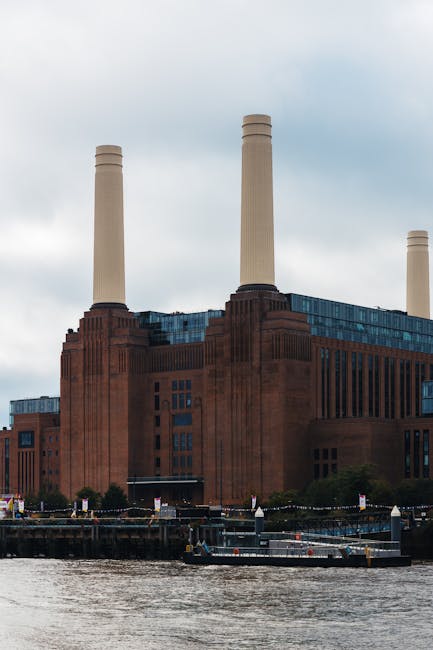
Battersea Power Station rubbish removal guide for events

Planning an event at Battersea Power Station is exciting, but the clean-up side can catch people off guard. One minute you are focused on guests, catering, branding, and timings; the next you are staring at piles of cardboard, food waste, broken packaging, awkward props, and half-used materials that need to disappear quickly. This Battersea Power Station rubbish removal guide for events is here to make that part feel far less chaotic.
Whether you are running a corporate launch, a private reception, a product showcase, or a large public-facing activation, the waste plan matters just as much as the guest list. Done well, it keeps the venue tidy, reduces disruption, and helps you avoid those annoying last-minute scrambles that always seem to happen at 10:45 pm. Truth be told, rubbish removal can be the difference between a smooth wrap-up and a stressful one.
In this guide, you will find practical advice on how event waste removal works, what to prepare in advance, the common mistakes to avoid, and how to choose the right disposal approach for Battersea Power Station events.
Why Battersea Power Station rubbish removal guide for events Matters
Event waste is not just a tidy-up issue. At a venue like Battersea Power Station, it affects logistics, presentation, safety, and how smoothly the venue can reset afterwards. The more people, suppliers, and moving parts involved, the more rubbish builds up in a very short space of time. Add in catering waste, packaging, decor offcuts, recyclable materials, and occasional bulky items, and the volume can grow faster than people expect.
One practical reason this matters is timing. Events rarely finish with plenty of spare time for a leisurely clean-up. Often, the room needs clearing quickly so the venue can hand over, reconfigure, or close down. If rubbish is left scattered around, waste sacks are not ready, or the wrong material ends up in the wrong pile, the whole process slows down. And nobody wants that moment where a tired crew is standing around with nowhere to put a stack of cardboard. A bit of planning saves a lot of friction.
There is also the question of venue standards. Battersea Power Station has a premium feel, and guests notice the details. Overflowing bins, loose plastic, and food debris do not exactly suit the setting. Clean waste handling supports the overall impression of the event, even if most attendees never consciously think about it.
For organisers, it is also about responsibility. Event waste should be managed sensibly, with recyclable items separated where possible and any specialist waste handled properly. If your event creates anything more unusual than standard mixed waste, such as damaged fixtures, broken display elements, or appliance-type items, it is worth planning those streams separately. You will notice how much calmer the end of the evening feels when the disposal route is already clear.
Expert summary: For Battersea Power Station events, good rubbish removal is not an afterthought. It protects the venue presentation, keeps people moving safely, and prevents the post-event clear-down from turning into a bottleneck.
How Battersea Power Station rubbish removal guide for events Works
Event rubbish removal usually works best as a staged process rather than a single end-of-night rush. In practice, there are three parts: planning, on-site collection, and final disposal. That sounds obvious, but the details matter.
1. Plan the waste streams before the event
Start by thinking through the types of waste the event will create. For example:
- cardboard from deliveries and staging
- food and drink waste from catering
- plastic film, bottles, and packaging
- general mixed rubbish from the setup and show floor
- bulky items such as exhibition pieces, broken furniture, or display stands
If you identify these early, you can decide what needs dedicated sacks, what can go into mixed waste, and what may need a separate collection. This is where a service like professional waste removal can make life simpler, because the removal method can be matched to the actual event footprint rather than guessed at on the day.
2. Set up collection points on site
During the event, waste needs to be collected where it is created, not just at some vague location "somewhere behind the scenes". Use clearly marked bins or sacks in sensible places: near catering prep, backstage areas, delivery zones, and any high-traffic guest-facing areas where litter is likely to appear.
If the event uses a lot of furniture, temporary setups, or display items, it is often sensible to coordinate with furniture clearance or furniture disposal support in advance, especially when you know some items will not be coming back into storage.
3. Remove waste at the right moment
Not every event should wait until the very end to remove waste. For longer programmes, interim clear-outs can prevent bins overflowing and reduce the chance of odours, slips, or visual clutter. In warm indoor spaces, food waste can become noticeable quickly. Not glamorous, but very real.
Once the event ends, the final removal should be swift and orderly. If you are handling bulky leftovers, packaging, or mixed rubbish after a build-and-break event, builders waste clearance may be relevant for dismantled boards, fixtures, or setup debris. For broader commercial clean-ups, a reliable business waste removal service can keep the process efficient.
Key Benefits and Practical Advantages
Good event rubbish removal is not just about "getting rid of stuff". It creates a cleaner operation, a safer site, and a better guest experience. Here are the main advantages that tend to matter most.
- Cleaner presentation: Guests, sponsors, and venue staff all see a more polished event environment.
- Faster reset: A clear waste plan reduces post-event delays and makes handover smoother.
- Better safety: Less clutter means fewer trip hazards and fewer awkward blockages in service routes.
- Less stress for staff: Teams can focus on hosting, not hunting for bins at the worst possible moment.
- Improved recycling opportunities: Separating materials properly can support better sustainability outcomes.
- More predictable costs: Sorting waste streams early usually avoids last-minute panic decisions, which tend to be expensive or messy, or both.
There is a practical upside too: once you know what the event will generate, you can match the service to the job. For example, if your event involves a lot of printed material, branded cardboard, and back-of-house document disposal, you might also want to think about confidential shredding for anything sensitive. That is a small detail, but it saves awkward questions later.
If you are managing an event with catering equipment, displays, or temporary appliances, separate handling may also be useful for items such as fridge and appliance removal. Events have a habit of creating all sorts of odd leftovers. It happens.
Who This Is For and When It Makes Sense
This guide is useful for anyone responsible for event operations at or near Battersea Power Station, but especially for people who have to make decisions quickly and keep multiple suppliers aligned.
You will likely benefit if you are:
- an event planner coordinating a launch, reception, or brand activation
- a venue manager balancing multiple hires in a single day
- a production team handling build, strike, and temporary structures
- a caterer needing clear waste separation and fast bin turnover
- a facilities or operations lead looking after post-event restoration
- a business team hosting guests in a premium setting and wanting everything to look sharp
It also makes sense when the event creates more than ordinary day-to-day rubbish. A small meeting with a few tea cups? Probably simple. A multi-zone event with staging, catering, printed assets, florals, furniture hire, and a late-night breakdown? That is a different story entirely.
If your event includes one-off items or leftover equipment that will not be reused, you may also find related services helpful, such as office clearance for corporate event spaces, flat clearance for smaller private functions in residential settings, or home clearance if the event has been hosted from a domestic base and now needs a proper reset.
Step-by-Step Guidance
Here is a simple, workable process for event rubbish removal. Keep it tight. Keep it calm.
- Estimate the waste before the event starts. Walk through the event format and list likely waste types. Be honest here; underestimating usually comes back to bite.
- Separate waste by category. At minimum, think in terms of mixed waste, recyclables, food waste, and bulky items. If you can do more, great.
- Place bins where people actually use them. If guests and staff have to cross half the venue, they won't bother. Convenience matters.
- Brief the team. Make sure organisers, caterers, security, and build crews know where waste goes and who is responsible for each stream.
- Schedule collection around the event timeline. For long events, set one or two internal clear-down points before the final pack-out.
- Keep walkways clear. Waste sacks, crates, and temporary storage should never block exits or service routes.
- Arrange the final removal early. Do not leave disposal planning until everyone is already tired and waiting for taxis.
In more complex jobs, some organisers also separate waste into "keep, donate, recycle, remove" piles. That last bit is easy to forget when the music is still on and people are trying to dismantle a flower wall with one hand and drink water with the other. Still, it works.
Expert Tips for Better Results
A few small decisions can make a large difference on event day. These are the sort of things experienced teams tend to do without making a fuss about it.
Use visual labels, not just text
Labels with colour coding or simple words like "cardboard", "mixed waste", and "bottles" are quicker to follow than long instructions. Under pressure, people go for the obvious option. Help them make the right one.
Put waste points near exits and prep areas
Waste naturally builds where people move most. Delivery doors, catering stations, storage corners, and break-out spaces are all likely hotspots. Place collection points nearby and the whole operation feels smoother.
Keep one person in charge
Not the entire event team. Just one person who knows the waste plan and can answer the "where does this go?" question without delay. Delegation is lovely in theory, but waste can become nobody's job very quickly.
Protect special items early
If there is anything valuable, reusable, or sensitive in the waste stream, set it aside before the clear-up gets messy. That includes props, branded items, documents, and kit that should go for reuse rather than disposal.
Think ahead on bulky waste
If you expect furniture, shelves, staging panels, or damaged display materials to come out at the end, arrange the removal route before the event. For bulky household-style items, mattress and sofa disposal can also be useful where hospitality or lounge-style event set-ups are involved.
One more practical point: if the event creates mixed waste and recyclables in large volume, ask for collection timings that fit the venue's rhythm rather than forcing the venue to adapt to the waste contractor. It sounds minor. It is not minor.
Common Mistakes to Avoid
Most event waste problems come from a handful of avoidable mistakes. You do not need a disaster to learn from them, thankfully.
- Leaving the plan until the end. Waste should be mapped before guests arrive, not after the first overflow bin appears.
- Using too few bins. People will not travel far for disposal, especially during busy service periods.
- Mixing everything together. Recycling gets ruined quickly if all materials are dumped into one pile.
- Ignoring bulky items. A few large items can cause more disruption than dozens of small bags.
- Forgetting hidden waste zones. Back corridors, storage rooms, and catering prep areas often become the messiest spots.
- Blocking access routes. Waste should never create a bottleneck or safety issue.
- Assuming one collection will cover everything. Sometimes it will; often it will not. Better to check than guess.
Another frequent issue is not clarifying responsibility between suppliers. If the caterer thinks the organiser will sort the waste, and the organiser thinks the venue has it covered, the result is usually a pile of bags and a long, awkward conversation. Not ideal.
Tools, Resources and Recommendations
You do not need fancy equipment, but a few simple tools make event rubbish removal much easier.
- Heavy-duty bin bags or sacks: Choose the right strength for the type of waste.
- Clearly labelled bins: Useful for front-of-house and back-of-house areas.
- Trolleys or dollies: Very handy when moving waste from a distant storage point.
- Gloves and basic PPE: Good practice for teams handling sharps risk, dusty materials, or awkward debris.
- Reusable crates or tubs: Better than loose piles for small offcuts, cables, or mixed event accessories.
- Collection schedule: A simple written timeline avoids confusion at the end of the night.
From a service perspective, it can help to compare waste handling with the event format. A large branded conference may be dominated by cardboard, print, and catering waste. A hospitality-heavy event may need more attention to food waste and sofa-style lounge furniture. A build-heavy activation may create more construction-type debris and packaging, where builders waste clearance becomes a better fit.
If you want to understand what can be separated in a mixed collection versus what needs special treatment, the guide on what can go in a skip is a useful starting point, even when you are not actually using a skip. The principles are still helpful.
Law, Compliance, Standards, or Best Practice
Event rubbish removal in the UK should be handled with care, especially when waste includes commercial materials, bulky items, electrical goods, or anything that could be classed as hazardous. You do not need to become a legal specialist, but you do need a sensible process.
At a practical level, that means keeping waste controlled, separating it where possible, and ensuring it is handled by a provider that understands proper disposal routes. If items contain confidential information, a separate secure process is wise. If waste includes fridges, appliances, paints, chemicals, batteries, or other potentially hazardous materials, these should be identified in advance rather than tossed into general rubbish. That is where hazardous waste disposal becomes relevant.
For businesses, there is also a wider duty to act responsibly with waste storage and transfer. In everyday terms, this means knowing what you are handing over, making sure the waste is described properly, and not mixing unsafe items with general waste. Good records and clear communication help here, even for short-term events.
It is also sensible to work with a company that can show clear policies on safety, insurance, and responsible disposal. You may want to review information such as health and safety policy, insurance and safety, and recycling and sustainability before booking. Those pages help build confidence without adding noise.
In short: keep waste identifiable, keep people safe, and do not assume all rubbish is the same. It isn't.
Options, Methods, or Comparison Table
There is no single best method for every Battersea Power Station event. The right choice depends on size, waste type, timing, and how much space you have for storage.
| Method | Best for | Strengths | Limitations |
|---|---|---|---|
| On-site bin and sack management | Smaller events with predictable waste | Simple, low disruption, easy to brief staff | Can overflow if volumes are underestimated |
| Scheduled waste removal during the event | Long events, catering-heavy setups, or busy public events | Prevents build-up and keeps the venue tidy | Needs coordination and timing discipline |
| End-of-event bulk clearance | Build-and-break events with large amounts of material | Efficient for one-off clear-downs | Can become chaotic if rubbish is not sorted first |
| Specialist item removal | Bulky furniture, appliances, confidential material, or hazardous items | Safer and more compliant for unusual waste | Requires advance planning and separate handling |
If you are deciding between clearance styles, think in terms of waste character rather than just quantity. A small amount of awkward waste can take more planning than a big volume of plain cardboard. That surprises people, but it is true.
Case Study or Real-World Example
Imagine a weekday evening brand event in Battersea with catering, product displays, printed brochures, and a temporary lounge area. The build team arrives early with crates, black wrap, and packaging. The caterers bring in food trays and cardboard boxes. By the time guests arrive, there is already a fair amount of waste waiting in the wings.
Instead of letting it all gather in one back room, the organiser sets up three waste points: one for cardboard and clean packaging, one for mixed waste, and one for bulky break-down material. During the event, a team member does a quick sweep every hour. Small actions, nothing dramatic. But by the time the final guest leaves, there is no mountain of rubbish waiting in the corridor.
The break-down goes faster because the waste is already sorted. Boxes are flattened. Food waste is bagged separately. The remaining event furniture is moved for reuse, while the damaged pieces are set aside for disposal. The venue reset feels calm rather than frantic. That calm matters. You can almost hear the difference in the room, if that makes sense.
In a setup like this, the organiser might combine business waste removal for the general event rubbish with a more specific service for awkward items. That flexible approach tends to work better than trying to force everything into one disposal route.
Practical Checklist
Use this checklist before and during the event to keep rubbish removal under control.
- Confirm what waste the event is likely to create
- Identify recyclable, mixed, bulky, and specialist waste streams
- Place bins and sacks in practical, visible locations
- Brief all suppliers on who handles which waste
- Keep walkways and exits free from clutter
- Arrange interim clear-downs if the event runs for several hours
- Separate any confidential, hazardous, or electrical items
- Flatten cardboard where possible to save space
- Set aside reusable furniture or display items before disposal
- Book the final removal before the event day if possible
- Check that your disposal partner offers relevant safety and insurance information
- Review payment and booking details in advance so there are no surprises later
A final small note: if your event uses temporary furniture that will not be kept, it is worth looking at mattress and sofa disposal or similar disposal options where lounge furniture and hospitality seating are involved. People often forget those items until they are in the way.
Conclusion
Rubbish removal at Battersea Power Station events is one of those behind-the-scenes jobs that quietly shapes everything else. When it is handled well, the event feels polished, the team stays in control, and the final handover happens without the usual scramble. When it is handled badly, it becomes the thing everyone remembers for the wrong reasons.
The good news is that event waste management is entirely manageable with a bit of planning. Define the waste streams early, give people clear instructions, keep the flow moving, and choose removal support that matches the size and style of the job. That is the whole game, really.
And if your event has a mixed profile with bulky items, packaging, appliance waste, or sensitive materials, getting the disposal route sorted in advance can save a great deal of last-minute pressure.
Get a free quote today and see how much you can save.
For a fuller picture of the company behind these services, you can also review the about us page, or learn more about booking and next steps through book online. If you are comparing options, the pricing and quotes page is a sensible place to start.
Frequently Asked Questions
What is the best rubbish removal approach for a Battersea Power Station event?
The best approach depends on the event size and waste mix. Smaller events often work well with on-site bins and a final clear-down, while larger or longer events usually need scheduled removal during the day to stop rubbish building up.
How early should I arrange event rubbish removal?
Ideally, before the event day. If you wait until after setup has started, you may find the collection timing is less flexible. Early planning also helps with bulky items and specialist waste.
Can event waste be recycled?
Often, yes. Cardboard, some plastics, and clean packaging can usually be separated for recycling where appropriate. The key is keeping recyclable materials clean and not mixing them with food waste or general rubbish.
What happens if the event creates bulky waste like furniture or display items?
Those items should be planned separately rather than left until the end. Depending on what they are, furniture clearance, builders waste clearance, or a more general waste removal service may be the right fit.
Do I need a special service for confidential papers or branded documents?
If the material contains sensitive information, yes, a secure disposal route is the safer choice. Confidential shredding is worth considering for documents, print proofs, or internal paperwork that should not go in general waste.
How do I stop bins overflowing during a long event?
Use enough bins, place them in the right spots, and schedule one or two clear-outs before the end. In many cases, a mid-event collection is the difference between a neat venue and a messy one.
Is hazardous waste ever part of an event clean-up?
It can be. For example, batteries, cleaning chemicals, aerosol cans, or certain electrical items may need special handling. These should be identified early and never treated as ordinary mixed waste.
What should I tell suppliers about waste?
Give them clear instructions on where to leave packaging, what can be recycled, and who handles the final clearance. A short written brief is usually better than trying to explain everything on the day.
Can I combine event rubbish removal with other clearance work?
Yes, sometimes that makes perfect sense. If the event involves leftover furniture, office materials, storage-room clutter, or non-event items, related services such as office clearance or home clearance can help streamline the whole job.
How do I know if a rubbish removal provider is trustworthy?
Look for clear information on safety, insurance, payment, and waste handling. It also helps if the provider explains how they manage recycling and what they can do with different item types. Clear communication is usually a good sign.
What if my event has very little space for waste storage?
Then timing becomes even more important. Use smaller, frequent collections and avoid letting waste pile up behind the scenes. Tight spaces need disciplined waste flow, otherwise everything gets cramped fast.
Is it worth paying for professional waste removal for a one-off event?
For many events, yes. The time saved, reduced stress, and lower chance of mistakes often justify it, especially when the venue is premium, the schedule is tight, or the waste mix is more complicated than expected.
However big or small the event, a clean finish leaves a better impression. And that last moment, when the room is finally clear and quiet again, feels pretty good.