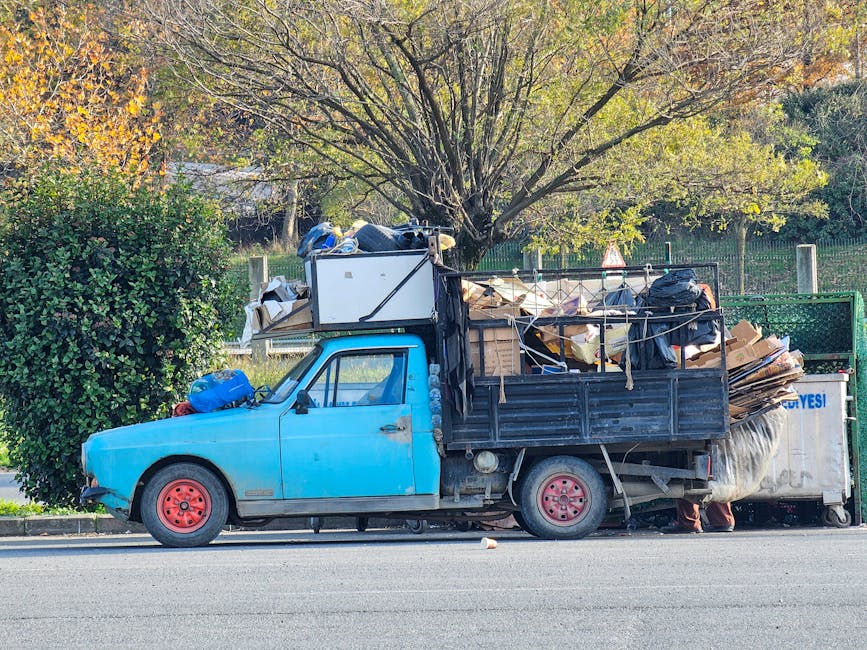
Battersea Park bulky rubbish pickup and recycling: a practical guide for homes, landlords, and businesses
If you are staring at an old sofa in the hallway, a broken wardrobe in the spare room, or a pile of mixed junk that seems to have appeared overnight, you are not alone. Battersea Park bulky rubbish pickup and recycling is one of those jobs that looks simple from a distance and somehow gets messy fast. The good news? With the right approach, you can clear large items responsibly, recycle more than you might expect, and avoid the awkward problems that come with last-minute disposal.
This guide walks through how bulky rubbish collection works, what can usually be recycled, where people go wrong, and how to choose a sensible clearance route without wasting time. It is written for real-life situations: moving out, refreshing a flat, clearing a garage, or dealing with a post-renovation tangle of wood, metal, cardboard, and furniture. Let's make it less annoying, shall we.
Why Battersea Park bulky rubbish pickup and recycling Matters
Bulky waste is different from day-to-day rubbish. It is larger, heavier, harder to move, and often mixed with materials that should not all go in the same place. A single broken wardrobe might contain wood, metal fixings, mirrors, laminate, and a bit of plastic trim. A mattress or sofa can look straightforward, but it may need separate handling depending on its condition and material.
For people near Battersea Park, the challenge is often space more than volume. Flats, terraces, shared entrances, basement rooms, and tight parking can make a simple disposal job feel like a small operation. Add in recycling expectations, building rules, and the need to keep hallways clear, and you can see why many people prefer a structured pickup rather than trying to improvise on the day.
Recycling matters too. Not every bulky item is landfill-bound. In practice, good sorting can recover metal, untreated wood, cardboard, certain plastics, electrical components, and reusable furniture. That reduces waste, supports better resource use, and keeps the whole process cleaner. Truth be told, many people are surprised by how much of a mixed load can be separated if it is handled properly.
Expert summary: The best bulky waste pickup is not just about removing items quickly. It is about making the collection safe, sorting recyclable material sensibly, and avoiding the common headache of mixed loads being handled as one big problem.
If you are dealing with a larger household clear-out, it can help to understand the related services first. For example, a house clearance or flat clearance may be more appropriate than treating the job as a few loose items. And if the load includes old chairs, wardrobes, or tables, the furniture disposal page is a useful place to start.
How Battersea Park bulky rubbish pickup and recycling Works
Most bulky rubbish pickup jobs follow the same basic pattern: identify what needs removing, separate what can be recycled, decide whether any items need special handling, and arrange collection with enough access for loading. Simple on paper. Slightly less simple when the item in question is a chest freezer wedged behind a washing machine.
In practical terms, a pickup usually begins with a quick assessment of the load. That might happen over the phone, through photos, or via a booking form. The key information is usually:
- what items need removing
- how many items there are
- whether anything is very heavy, awkward, or fragile
- how easy it is to access the property
- whether there are recyclable materials mixed into the load
From there, a sensible team will separate what can be diverted for recycling or reuse. That might include metal frames, untreated timber, cardboard packaging, white goods, and some appliances. Items like fridges, freezers, and certain electronics can need more careful processing because they contain components that should be treated differently. If you are dealing with those, it is worth looking at fridge and appliance removal rather than assuming they can be handled like a normal table or chair.
Some loads are straightforward. Others are mixed, and mixed loads are where judgment matters. A wardrobe may need to be dismantled. A sofa may need two people and a clear route. A garden shed panel might be light but awkward. In Battersea Park and nearby streets, stairwells, controlled parking, and tight corners can affect the best method more than the item itself.
If the rubbish comes from a renovation or repair, the load may also contain plasterboard, bricks, timber offcuts, packaging, old fixtures, and dust. In that case, a builders waste clearance approach may be more suitable than a general household pickup. And if you are unsure whether the items would fit into a container-based solution, the guide on what can go in a skip can help you compare options before you commit.
Key Benefits and Practical Advantages
The main benefit is obvious: your space comes back. But there is more going on than just getting rid of clutter. A proper bulky rubbish pickup can save time, reduce lifting risk, and improve recycling outcomes in one go.
- Less manual effort: You do not need to borrow a van, recruit a friend with a bad back, or spend your Saturday doing repeated trips.
- Cleaner sorting: Good pickup and recycling services can separate reusable or recyclable materials more effectively than an ad hoc dump run.
- Safer handling: Heavy items, sharp edges, broken fittings, and awkward loads are managed more carefully.
- Better for landlords and agents: End-of-tenancy clear-outs are faster when bulky items are removed in one visit.
- More predictable outcomes: You know the job is being handled from collection through to recycling or disposal.
There is also a psychological benefit, which sounds fluffy until you experience it. A room full of unwanted furniture has a way of making everything feel stuck. Once it is out, the place breathes again. You can hear the floorboards, open the windows properly, and suddenly the room looks useful rather than apologetic.
For businesses, the benefit is even more practical. Clearing old office furniture, archived stock, or unwanted fixtures keeps work areas usable and reduces disruption. If you are managing commercial premises, office clearance and business waste removal can be better fits than leaving bulky items to pile up in a back room.
Who This Is For and When It Makes Sense
Battersea Park bulky rubbish pickup and recycling makes sense for a wide range of people. Some are dealing with one awkward item. Others have a whole property to reset. Different situation, same pain point: bulky stuff is in the way.
Typical situations
- Homeowners: replacing furniture, clearing garages, or making space after a refurbishment
- Renters: moving out and dealing with items that will not fit in normal bins
- Landlords: clearing abandoned items between tenancies
- Letting agents: preparing a property for cleaning, decorating, or re-marketing
- Businesses: removing obsolete desks, shelving, stock, or storage items
- Tradespeople: dealing with renovation debris and leftover site material
It also makes sense when time is tight. If you are juggling work, family, and a deadline for vacating a property, bulky waste becomes one of those jobs that quietly grows teeth. The same applies when access is awkward. A top-floor flat with no lift is not the moment for optimism and a borrowed hatchback.
Sometimes the item type drives the decision. Sofas and mattresses, for example, can be harder to handle neatly because of size and hygiene concerns. If that is your situation, the specialist pages for mattress and sofa disposal and furniture clearance can help narrow down the right route.
If you have a garage, loft, or outbuilding that has quietly turned into a storage catch-all, you are in very normal company. That is exactly where garage clearance and loft clearance become especially useful.
Step-by-Step Guidance
Here is the simplest way to handle a bulky rubbish pickup without overcomplicating it.
- List the items. Write down every bulky item you want removed. Be specific. "Old stuff from spare room" is not quite enough.
- Separate the obvious recyclables. Cardboard, clean metal, and some untreated wood often deserve separate attention.
- Flag any problem items. Fridges, freezers, electricals, chemicals, paint, and damaged glass need more careful thought.
- Check access. Note stairs, parking restrictions, narrow corridors, locked gates, and any lift limits.
- Decide whether it is a single room, multiple rooms, or a full-property clearance. This changes the best method.
- Book the collection. If you want a smoother process, use a route that fits the waste type rather than forcing everything into one generic job.
- Prepare the space. Move small items out of the way, protect flooring if needed, and make the load easy to reach.
- Confirm what happens after pickup. Recycling, disposal, and any special handling should be clear from the start.
A quick example: if you are clearing a living room, you might have a sofa, two armchairs, a coffee table, packaging from new items, and an old TV stand. That is not the same as a full house clearance, but it is also not "just a few bits". In that case, the job may sit comfortably between furniture clearance and general waste removal. Small distinction, big difference.
If you are booking online and comparing options, take a moment to review pricing and quotes so you know how the service is usually framed. And if you want a direct booking route, book online is the most straightforward next step.
Expert Tips for Better Results
A few small choices can make a bulky pickup much easier and, frankly, less expensive in time and effort.
- Group items by type. Put furniture together, cardboard together, and any electricals in one place if safe to do so.
- Leave a clear path. It sounds basic, but a hall full of shoes, bikes, and bags slows everything down.
- Dismantle only when it helps. Some items are easier to move in pieces; others become awkward if taken apart too early.
- Keep recyclable material clean. Dirty packaging, food waste, and mixed contamination can reduce recycling value.
- Photograph unusual items. A quick photo often prevents misunderstandings and saves a follow-up call.
- Think about sequence. If decorators, cleaners, or movers are coming, schedule the waste pickup before the final tidy-up, not after.
One thing people often overlook is how much of a job is really about access. I have seen a perfectly manageable two-item pickup turn into a long morning simply because the hallway was stacked with plant pots, a pram, and a folded treadmill nobody wanted to admit belonged to them. Happens all the time.
If your clearance includes sensitive paperwork or archive boxes, do not just toss them in with furniture. confidential shredding is a better fit for material that should be destroyed securely. Likewise, if you are dealing with garden waste, broken pots, soil bags, or outdoor furniture, garden clearance is likely the cleaner route.
Common Mistakes to Avoid
The biggest mistakes are usually not dramatic. They are small, practical oversights that create delays or added cost.
- Mixing everything together without checking special items. A load with a fridge, paint tins, and old furniture is not just "rubbish".
- Underestimating the volume. Two bulky items can take up far more space than ten bin bags.
- Forgetting access constraints. Low railings, narrow staircases, and parking restrictions matter more than people expect.
- Leaving the sort-out until collection day. That is how good intentions turn into a scramble.
- Assuming all bulky items are recyclable in the same way. They are not.
- Ignoring the need for safe lifting. "I can probably manage it" is how backs get grumpy for a week.
Another common mistake is choosing the wrong service for the load type. Builders' debris, office furniture, household furniture, and white goods each have different handling needs. That is why pages like builders waste clearance and office clearance exist as distinct options instead of one vague catch-all.
And yes, sometimes the issue is emotional rather than logistical. People delay clear-outs because an item belonged to someone else, or because they feel they "should" reuse it. Fair enough. But if it has been sitting in the spare room since last winter and now smells faintly of damp, the decision may already be made for you.
Tools, Resources and Recommendations
You do not need a warehouse of equipment to manage a bulky waste pickup, but a few basics help.
| Item or resource | Why it helps | Best use |
|---|---|---|
| Measuring tape | Checks whether large furniture fits through doors and stair turns | Before moving anything heavy |
| Strong gloves | Protects hands from splinters, sharp metal, and rough edges | Sorting and lifting |
| Furniture sliders or dolly | Makes heavy items easier to move without damaging floors | Internal repositioning |
| Label stickers or tape | Helps separate reusable, recyclable, and discard items | Pre-collection sorting |
| Phone camera | Useful for documenting unusual items or access issues | Quotes and planning |
| Service information pages | Helps match the waste type to the right clearance option | Decision-making |
For many readers, the most useful "resource" is simply choosing the right page before booking. If you are clearing a family property, home clearance and house clearance may be a better fit than a narrow furniture-only job. If you have mixed items stored in a neglected corner of the property, garage clearance can save a lot of back-and-forth.
You may also want to review broader company information if trust matters before you book. The pages on about us, insurance and safety, and health and safety policy are useful reading if you want a clearer sense of how the service is set up and how it approaches risk.
Law, Compliance, Standards, and Best Practice
This is the part people often skip, then regret later. Bulky rubbish pickup is not only a convenience task; it can also involve legal and best-practice obligations, especially when waste is collected from a business, landlord portfolio, or renovation project.
In plain English, the important principle is simple: waste should be handled by a responsible carrier, and different waste streams should be treated according to their type. Hazardous or specialist items should not be mixed casually with general refuse. Electricals, refrigeration units, and certain materials may need separate attention. If you are not sure, that uncertainty is a sign to pause, not push on.
For householders, the main best practice is to avoid leaving bulky waste in communal areas, on pavements, or near bin stores unless it has been arranged properly for collection. For businesses, the standard is higher because records, segregation, and duty-of-care habits matter more. If you are managing an office, archive room, or commercial unit, business waste removal is usually the safer route than treating the load like domestic clutter.
Another practical point: not every item that looks recyclable should be treated as easy recycling. Dirty mattresses, damaged electricals, contaminated soft furnishings, and mixed construction waste can require separate handling. Recycling works best when the load is pre-sorted well enough that the downstream process is realistic, not just optimistic.
Best practice also includes communication. If you are booking a collection, be honest about what is there. A slightly fuller description is always better than a polite guess. "Three desks, two monitors, one broken fridge, and packaging" is useful. "A few bits" is not. The first helps everybody. The second creates surprises, and nobody enjoys surprise bulky waste.
Options, Methods, and Comparison Table
There are usually several ways to deal with bulky rubbish. Which one makes sense depends on volume, item type, access, and how much sorting you want to do yourself.
| Method | Best for | Pros | Trade-offs |
|---|---|---|---|
| Bulky rubbish pickup | Large individual items or mixed bulky loads | Convenient, fast, less lifting for you | May need clear access and item details |
| Furniture disposal | Sofas, chairs, tables, wardrobes | Good for common household pieces | Not ideal for mixed renovation debris |
| Skip-based disposal | Bulkier projects with steady waste generation | Handy for ongoing work | Requires space and careful sorting |
| Full clearance service | Whole rooms, flats, houses, or offices | Efficient for larger jobs | May be more than you need for one or two items |
| Specialist appliance removal | Fridges, freezers, white goods | Safer handling of specific items | Not a catch-all for general waste |
The right option often becomes clear once you ask one question: am I dealing with one awkward item, a bundle of furniture, or a broader clearance problem? If it is the last one, the broader services usually save time. If it is the first, keep it simple. No need to turn a wardrobe into a three-day project.
Case Study or Real-World Example
A typical real-world scenario goes like this. A family in a Battersea Park flat is preparing to hand the property back at the end of a tenancy. They have a bed frame, a mattress, a chipped coffee table, two kitchen stools, a broken desk chair, and several boxes of mixed packaging from new purchases. They also discover an old freezer in a storage cupboard that nobody remembered ordering in the first place. Classic.
At first glance, they think it is all "just rubbish". But the mix tells a different story. The mattress needs separate handling. The freezer is a specialist item. The cardboard can be kept apart. The furniture items are bulky, but manageable if they are grouped together. Once the load is split into sensible categories, the pickup becomes much easier to organise and far more likely to be recycled properly.
The result is not just a clear flat. It is a clean handover, fewer last-minute arguments, and no mad dash across town trying to squeeze a mattress into a car that was never meant for it. You can almost hear the sigh of relief when the room is finally empty.
Another common version of this story happens in a small office. Old desk systems, filing cabinets, chairs, and a couple of damaged appliances have accumulated behind a screen wall. The business wants the space usable again by Monday. In that case, a combination of office clearance, appliance removal, and sensible recycling planning is usually far better than waiting for a one-off "sometime soon" solution that never quite arrives.
Practical Checklist
Use this before arranging your Battersea Park bulky rubbish pickup and recycling plan.
- Have I listed every bulky item that needs to go?
- Do I know which items are recyclable, reusable, or specialist waste?
- Have I separated fridges, freezers, electricals, and hazardous items?
- Is access clear from the item to the exit point?
- Have I checked stairways, lifts, parking, and loading restrictions?
- Do I need a full clearance rather than a small pickup?
- Have I reviewed the relevant service page for the item type?
- Have I taken photos of unusual or awkward items?
- Do I know what the collection should include and exclude?
- Have I planned the pickup around movers, cleaners, or contractors if needed?
If you can answer yes to most of those, you are in good shape. If not, do a little more prep first. It usually pays off.
Conclusion
Battersea Park bulky rubbish pickup and recycling is really about making a heavy, awkward task feel manageable again. Once you separate the items, choose the right route, and think a little about recycling and access, the whole thing becomes much more straightforward. Not effortless, but straightforward.
The best outcome is a clear space and a clean conscience: less waste, fewer safety risks, and a disposal process that respects both your time and the environment. Whether you are clearing a single room, preparing a flat for new tenants, or sorting through years of accumulated stuff, the right approach will save you more energy than you expect.
Get a free quote today and see how much you can save.
And once the clutter is gone, there is a peculiar quiet that settles in. A good quiet. The kind that makes a room feel like it is ready for whatever comes next.
Frequently Asked Questions
What counts as bulky rubbish in Battersea Park?
Bulky rubbish usually means large household or commercial items that are too big or awkward for normal bin collection. That often includes sofas, beds, wardrobes, tables, chairs, white goods, shelving, and mixed large items from a move or clear-out.
Can bulky items be recycled?
Often, yes. Many bulky items contain recyclable material such as metal, clean wood, cardboard, and certain plastics. The exact recycling route depends on what the item is made of and whether it is damaged or contaminated.
What happens to a sofa or mattress after pickup?
It depends on the condition and the service used. Some parts may be recycled, while other components may need disposal. Sofas and mattresses are often handled differently from general furniture because of their size and construction.
Do I need to separate recyclable items before collection?
It helps a lot. Separating cardboard, metal, electronics, and special items usually makes the pickup quicker and improves recycling outcomes. If you cannot separate everything, a good provider should still help sort the load sensibly.
Is bulky rubbish pickup better than hiring a skip?
It depends on the job. Pickup is often better for one-off bulky items or mixed loads that need lifting. A skip can make sense for ongoing projects, but only if you have the space and know what can go in it.
What should I do with a fridge or freezer?
Do not treat it like ordinary waste. Fridges and freezers can contain components that need specialist handling, so it is better to use a dedicated appliance removal route rather than leaving them in with general bulky rubbish.
Can I put building debris in a bulky rubbish pickup?
Sometimes, but it depends on the materials and the scale. Mixed renovation waste may be better handled through builders waste clearance, especially if it includes rubble, plasterboard, timber offcuts, or other construction debris.
How do I prepare for a bulky waste collection?
Make a list of the items, clear access paths, separate anything special, and take a quick look at parking and stairway access. A little prep usually makes the collection much smoother.
What if I only have one or two items?
That is still worth arranging. One awkward item can be harder to deal with than a small pile of lighter waste, especially if it is large, heavy, or difficult to move through the property.
Can businesses use bulky rubbish pickup too?
Yes. Businesses often use it for office furniture, archived materials, storage clear-outs, and refurbishments. For commercial loads, business waste removal and office clearance are often the most relevant options.
How do I know if an item needs special handling?
If it is electrical, hazardous, contaminated, very heavy, or unusually fragile, it may need special handling. When in doubt, mention it upfront. That is much better than discovering the issue on the doorstep.
Where can I find more information before booking?
You can review service pages such as furniture clearance, house clearance, garage clearance, and recycling and sustainability to match the job to the right disposal route before you book.